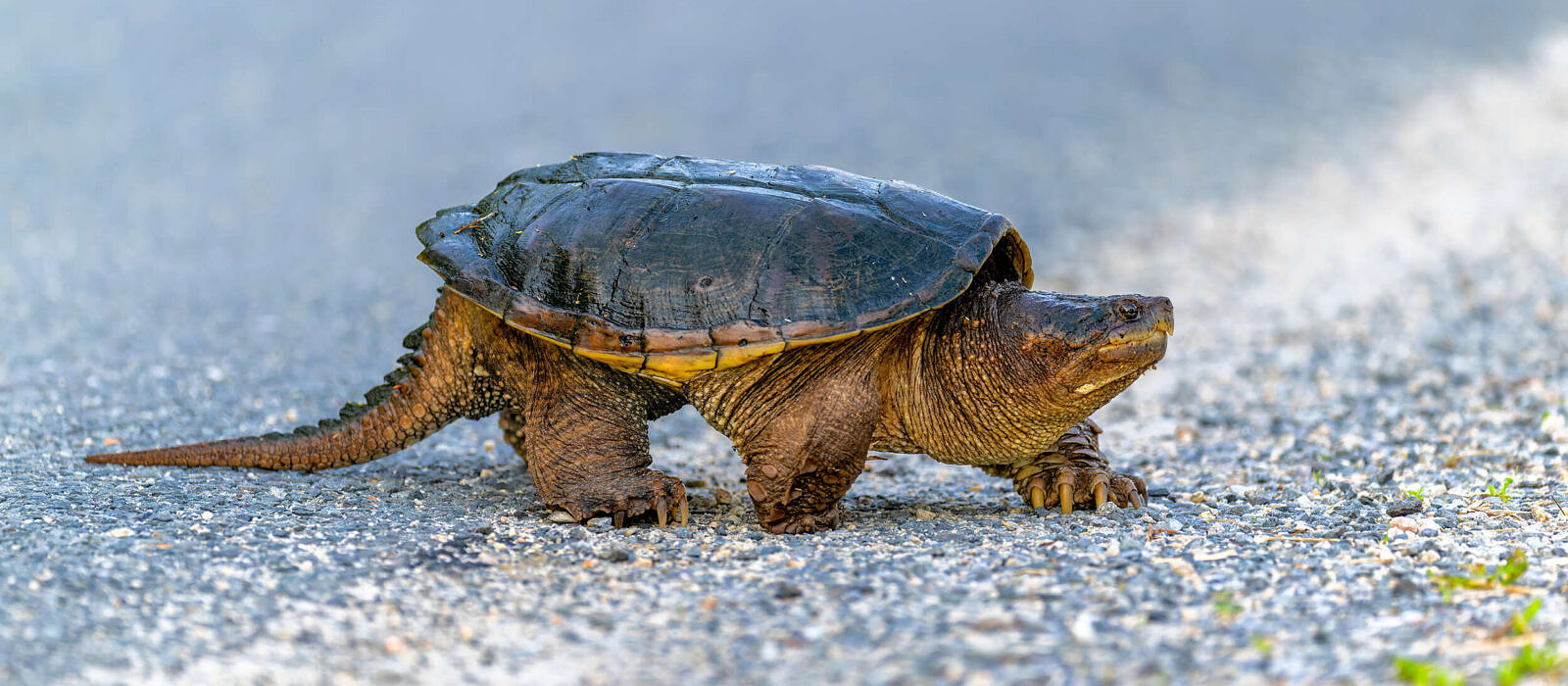
From late April through early July, turtles must leave the safety of the water to find mates, lay eggs, and journey to seasonal habitat. While on land, they face many dangers, including cars, pets, and mowers. As long-lived species with low reproductive rates, the loss of even a single individual can have lasting impacts on local turtle populations. Every turtle counts! Here’s how you can help your shelled neighbors stay safe this spring and summer.
Frequently Asked Turtle Questions
Turtles on Roads
- I see a turtle in the road. What should I do?
- How do I help a turtle across the road?
- How do I help a snapping turtle across the road?
Injured Turtles
Turtle Nests
Other Ways to Protect Turtles
Turtles on Roads
-
I see a turtle in the road. What should I do?
- Pull over to the side of the road and park safely.
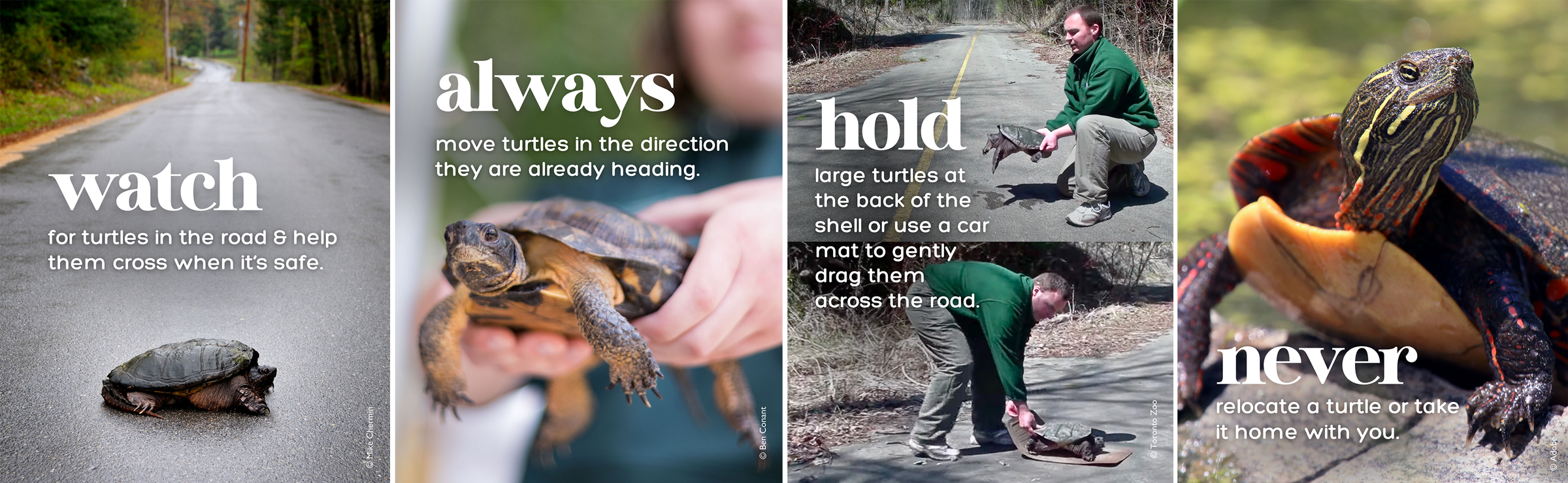
- If it’s safe — and only if it’s safe — pick up the turtle and move it to the other side of the road. Always move turtles in the direction they were heading when you found them. See below for specific instructions on how to move a turtle.
- Never take an uninjured turtle home with you, or move it to a different location. Turtles are deeply connected to their habitat, and know where they are going. They are not lost!
Back to questions
-
How do I help a turtle across the road?
Back to questions
-
How do I help a snapping turtle across the road?
Back to questions
Injured Turtles
-
I've found an injured turtle. What should I do?
If you find an injured turtle in New Hampshire, call or text NH Turtle Rescue at (603) 417-4944. Here’s what to do while you wait to hear back from them:
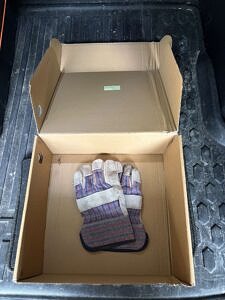
In late spring and summer, it’s a good idea to keep a bin or shoebox and an old pair of gloves in your car in case you need to transport an injured turtle to a wildlife rehabilitator for help.
- Put the turtle into a clean container (box or plastic bin) that they cannot crawl out of. Do not put injured turtles in the same container as any other animals, including other turtles.
- If possible, place a damp towel or paper towels on the bottom of the container.
- Put the turtle in a quiet place. If you are transporting a turtle in your car, please turn your car radio off and cover the container they’re in. Turtles are sensitive to noise, and human contact can be stressful for them.
- Await word. NH Turtle Rescue will let you know if they need you to transport the turtle or if one of their volunteers can come get the turtle from you.
- Being able to return turtles to their original home range is important and increases the likelihood that they will adapt successfully after they’ve been treated and released — so be sure to record exactly where the turtle was found by taking a GPS point, taking a photo on your phone, or noting the road name, mile marker, and any other distinguishing features.
- Do not leave the turtle outdoors while you are awaiting word from NH Turtle Rescue. If the turtle cannot be brought inside, put them in the shade and cover their container. (The purpose of this is to prevent flies from laying eggs in the turtle’s open wounds.) If you need to hold the turtle overnight before transporting them, keep them in a safe place where nocturnal predators (raccoons) and pets can’t get to them.
Back to questions
Turtle Nests
-
A turtle has nested in my yard. Is there a way I can protect the nest?
NH Fish and Game does not recommend the use of nest protection devices, as protective cages can easily turn into traps for young hatchlings if they’re not monitored closely.
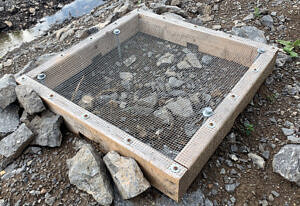
A turtle nest protector with escape hatches built into the sides for hatchling turtles. (photo © Turtles Kingston)
That said, turtle nest cages are easy and inexpensive to build, and can be effective if they are monitored carefully. Turtles Kingston has created a helpful guide to building nest protectors.
When putting protective cages around turtle nests, it is vitally important to check them daily during the window of time when hatchlings might emerge (starting in August and carrying through until the following April or May). Otherwise, the hatchlings you were trying to protect can become trapped and die. Another good option is to only leave nest cages in place for the first week or two after the eggs have been laid, as that’s when turtle nests are most vulnerable to predation.
Back to questions
Other Ways to Protect Turtles
-
What else can I do to help turtles?
Here are a few other ways you can help your local turtles:
- Please don’t post on social media. While it may be tempting to share your amazing turtle experience online, posting to social media can expose wild turtles to dangerous attention from poachers. If you must share, do not give locations — and be careful that location metadata is not attached to any of your photos. One way to do this is to only share screenshots of your photos, not the original photos themselves.
- Don’t reveal locations. Again, broadcasting the location where you found wild turtles may expose them to poachers and others who don’t have their best interests in mind. The only people you should share turtle locations with are wildlife rehabilitators, biologists, and NH Fish and Game staff.
- Learn more about New Hampshire’s turtles. NH Fish and Game has an easy-to-read resource for learning more about New Hampshire’s turtle populations, including what species exist in our state.
- Report your turtle sightings to NH Fish and Game’s Reptile and Amphibian Reporting Program (RAARP). This turns your observations into data that can be used for turtle research and conservation, now and into the future! For more details on how to report turtle sightings through RAARP and iNaturalist while protecting sensitive location information, watch Making Your Turtle Sightings Count (below) with NH Fish and Game turtle biologist Josh Megyesy and Harris Center ecologist Nate Marchessault.
Back to questions
-
Where can I learn more about helping turtles?
Back to questions


