Calendar of Events
Community Science
Events
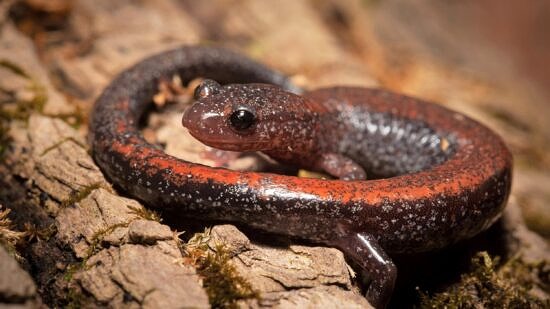
LAB GIRLS+ Experiments From the Wild & In the Field: Salamander Coverboard Survey
Harris Center for Conservation Education 83 Kings Hwy, Hancock, NH, United StatesJoin ecologist and salamander lover Brett Amy Thelen for a hands-on survey of red-backed salamanders and other amphibians at the Harris Center’s long-term monitoring plots.

Field Foray with the SuperSanctuary Butterfly Club
Join Mark Ellingwood and the SuperSanctuary Butterfly Club to search meadows and woodlands for crescents, blues, sulfurs, and more while sharpening your butterfly identification skills for the SuperSanctuary Butterfly Count in July.
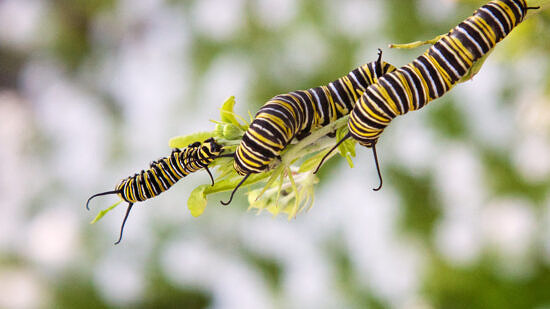
Counting on Monarchs: An Introduction to the Monarch Larva Monitoring Project
Join monarch researcher Dr. Karen Oberhauser to discover how community science data can help protect these beloved butterflies, and to learn what’s involved in setting up your own monarch monitoring site.
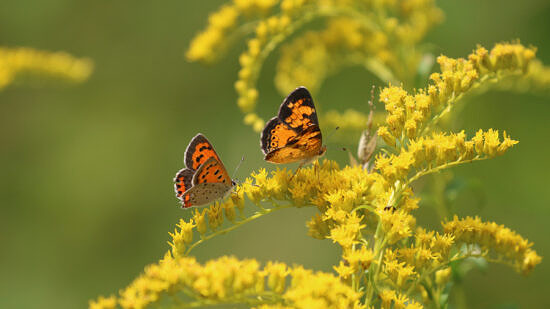
Field Foray with the SuperSanctuary Butterfly Club
Join Mark Ellingwood and the SuperSanctuary Butterfly Club as we search for swallowtails, satyrs, skippers, and other butterflies — and learn to identify them by their field marks, flight patterns, and behavior.
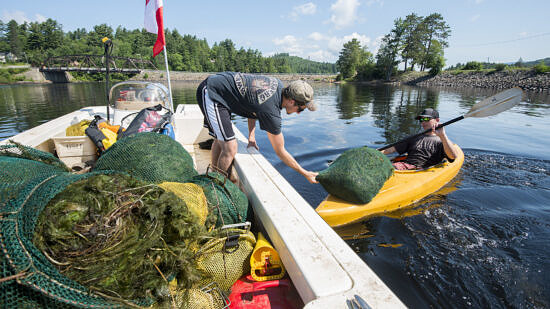
Weed Watchers Volunteer Training
Left unchecked, aquatic invasive plants can displace native plants and wildlife, degrade water quality, and entangle boats. Early detection is key! In this workshop with Georgia Bunnell of NH DES, you'll learn how to identify common aquatic invasives — and what to do if you find one in your local lake.

SuperSanctuary Butterfly Count
Join the SuperSanctuary Butterfly Club to survey for coppers, crescents, skippers, swallowtails, monarchs, and more! The data we collect will be submitted to both the North American Butterfly Association and the NH Butterfly Monitoring Network.

Monitoring for Monarchs
Take part in the International Monarch Monitoring Blitz by joining Harris Center ecologists Brett Amy Thelen and Nate Marchessault to survey for monarch eggs, caterpillars, and butterflies in a local milkweed patch. No experience necessary!

The Kestrels Young Birders Club and LAB GIRLS+: NH Bat Count Survey
Hancock, NH Hancock, NH, United StatesJoin a growing movement of teens who are learning to contribute to wildlife research by working alongside real scientists! In July, we'll conduct a nighttime survey for little and big brown bats as part of a statewide conservation effort.

Biodiversity in the SuperSanctuary: Mini BioBlitz at Bailey Brook
Join naturalists Nate Marchessault and Kate McKay to explore the marshy wetlands of Bailey Brook. We'll keep our eyes open for insects, plants, mushrooms, and anything else that crosses our path, documenting our finds on iNaturalist.
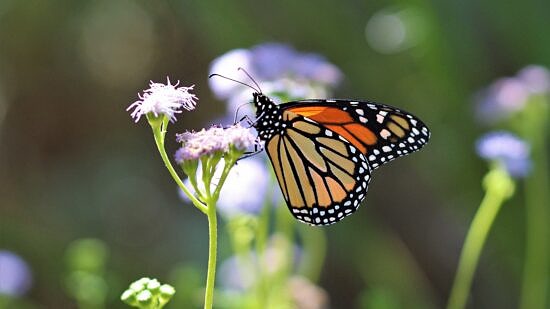
Monitoring for Monarchs
Join Harris Center ecologists Brett Amy Thelen and Nate Marchessault to survey for monarch eggs, caterpillars, and butterflies in a local milkweed patch. No experience necessary!

The Kestrels Young Birders Club and LAB GIRLS+: Nighthawk Migration Count
Hancock, NH Hancock, NH, United StatesJoin a growing movement of teens who are learning to contribute to wildlife research by working alongside real scientists! In August, we'll look skyward to count migrating Common Nighthawks, adding our data to a long-term Harris Center monitoring effort.
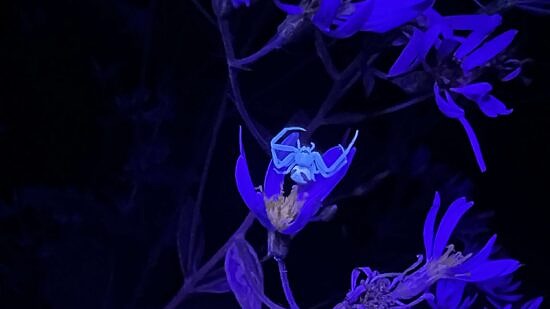
Nature by Blacklight
Join naturalists Steven Lamonde, Nate Marchessault, and Susie Spikol for a nocturnal natural history adventure! Discover the fascinating world of fluorescence, and see a summer night in a whole new light.

Monarch Butterfly Tagging
Every fall, monarch butterflies undertake a spectacular, 3,000-mile migration from New England to central Mexico. Marvel at monarchs up close while contributing to the scientific understanding of their impressive annual journey during this afternoon of monarch tagging with ecologists Steven Lamonde and Brett Amy Thelen.

Kids Count: Monarchs & Milkweed Survey
If you love monarch butterflies and want to help scientists find out more about these remarkable insects, here’s your chance! Spend a morning with a team of Harris Center naturalists as we count monarch eggs, caterpillars, and butterflies for science.

