A Vernal Renaissance
With the year still in its infancy, the Earth warms and signs of new life begin to emerge.
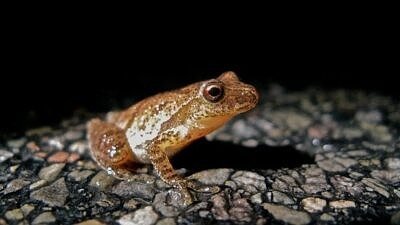
With the year still in its infancy, the Earth warms and signs of new life begin to emerge.
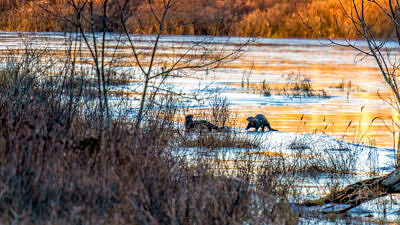
Keep your eyes peeled this winter for the frolicking, rollicking otter!
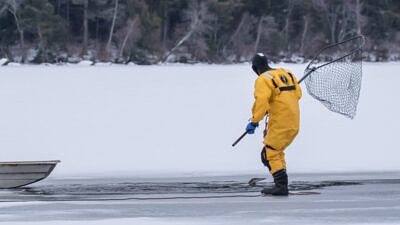
Every winter, courageous biologists take to frozen lakes and ponds to rescue loons in trouble.
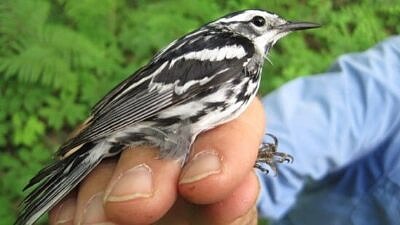
Despite some alarming declines in bird populations, there are steps you can take to protect our diverse bird communities.
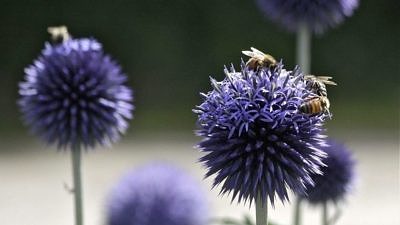
Give the lawnmower a rest this May to help pollinators and other critters get to work.
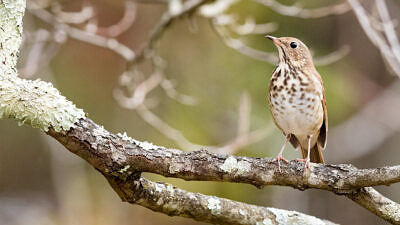
Black flies are annoying and people despise them, but they play an important role in ecosystem health.
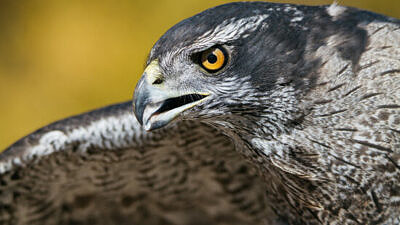
March is a good time to look toward the sky for these two returning raptors — both species of conservation concern.
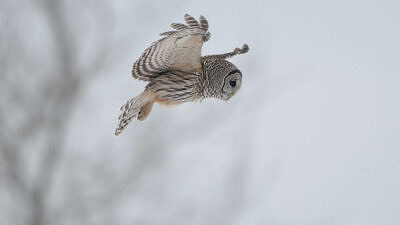
Despite snow and frigid temperatures, winter’s rewards are abundant if you know where to look and how to direct your senses.
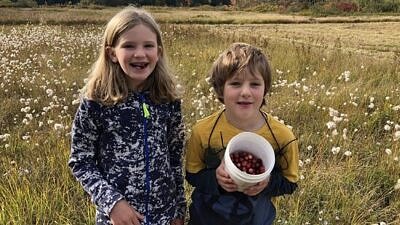
Cranberries have been a vital food source for wildlife and people in New England for centuries.
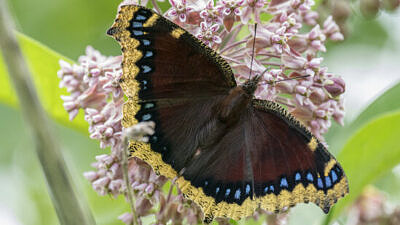
The mourning cloak has a biochemical superpower that allows it to survive New Hampshire’s long, cold, snowy winters.
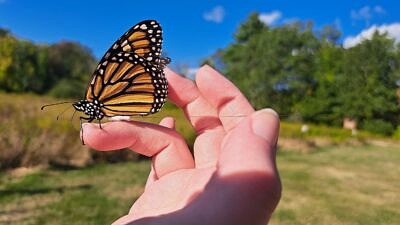
Among the charismatic megafauna of the insect realm, monarch butterflies reign supreme.
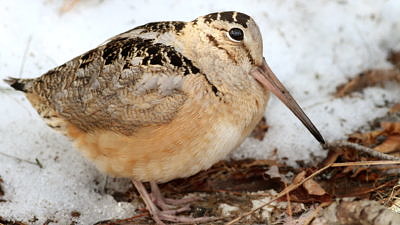
When the human world comes to a standstill, the natural world goes on, unconcerned and unbothered by man-made dilemmas.

Join our monthly e-newsletter and stay up to date on outings, events, and other Harris Center happenings in the Monadnock Region!
Sign Up for E-News
